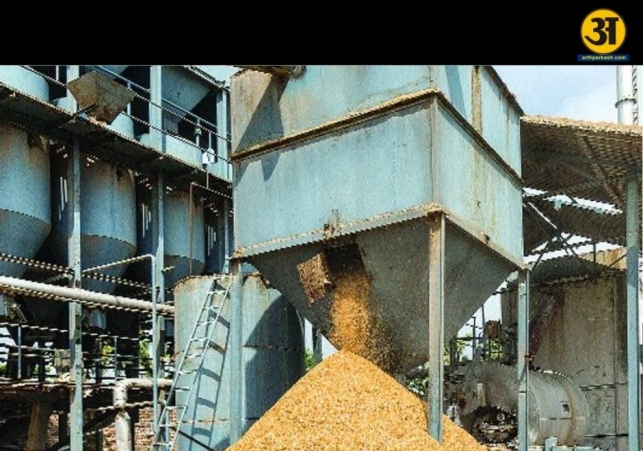
No clarity on CMR Policy, say millers
Rice millers in Haryana voice uncertainty over pending CMR Policy revisions
Rice millers in Haryana are still unsure about the details of major changes in the Custom-Milled Rice (CMR) Policy, despite assurances from the state government. The minister of food supplies, civil, and consumer affairs, Rajesh Nagar, met the millers on Tuesday at an event organised by the Haryana Rice Millers Association in Pehowa to address their concerns.
During the meeting, Nagar promised that the chief minister had extended the bonus for paddy procurement from March 15 to June 30 and waived hoarding charges for the year 2024-25. He also assured the millers that the government would resolve their other problems and that they, in turn, should ensure that farmers do not face any difficulties during the ongoing procurement process.
The Union government has also promised prompt payments to rice millers and assured that the storage shortage at Food Corporation of India (FCI) warehouses would be addressed over the next two years.
Despite these assurances, many rice millers remain hesitant to register under the CMR Policy, citing a lack of clarity about changes in the rules. The uncertainty has raised concerns about whether the procurement process this year will run smoothly.
Confusion over broken rice limits and compensation
One of the main concerns of the millers is the recent change in the permissible level of broken rice under the CMR Policy. Previously, millers were allowed to include up to 25% broken rice in the final output. Under the new rules, this limit has been reduced to 10%, but there is still no clear guidance on how this will be implemented or monitored.
Sourabh Gupta, president of the Karnal Rice Millers and Dealers Association, explained that the government compensates only ₹3.30 per quintal for broken rice, while the actual cost to millers can reach up to ₹25 per quintal. This discrepancy makes it expensive for millers to comply with the policy.
Additionally, Gupta highlighted problems with transporters. He said that many transporters who receive tenders under the policy do not have vehicles, forcing the millers to hire their own transport at higher costs during the peak procurement season. These issues add to the reluctance among rice millers to register under the policy despite government assurances.
Amarjit Chhabra, president of the Haryana Pradesh Rice Millers and Dealers Association, said that while the minister has provided clarity on rescheduling bonuses and warehouse shortages, the key issue of broken rice compensation remains unresolved. He emphasised that millers need clear instructions to avoid financial losses and ensure smooth operations during the busy paddy procurement period.
Millers hope for quick resolution
The rice millers have decided to meet Minister Rajesh Nagar again on Wednesday to seek further clarity on all pending issues. They are hopeful that the government will provide detailed guidance on the new CMR rules, especially regarding broken rice limits, transporter verification, and adequate compensation.
Under the CMR policy, procurement agencies buy paddy from farmers and allot it to rice millers. Millers are then required to return 67% of rice with 1% fortified rice kernels (FRK) as per government norms. This system is designed to ensure proper processing, distribution, and nutritional standards in the rice supply chain.
However, with the recent changes and lack of clear communication, many millers fear delays, losses, and operational difficulties during the peak season. The festival season, when demand is high and procurement volumes increase, makes timely clarity even more critical.
Rice millers argue that proper monitoring of transporter capacity is essential to avoid disruption. They also want realistic compensation rates for the reduction in permissible broken rice to cover their costs. Without these adjustments, they fear that compliance will be difficult and could affect both the supply chain and farmers’ interests.
Officials say that the government is aware of these concerns and is working to provide guidelines that will balance compliance with the financial sustainability of rice millers. A smooth procurement process is vital to ensure that farmers get fair prices for their paddy and that consumers have a steady supply of rice.
Importance of resolving the issues quickly
Haryana is one of India’s major rice-producing states, and the CMR policy plays a crucial role in regulating the procurement, milling, and distribution of paddy. Any delays or confusion in policy implementation could have a wider impact, affecting farmers, millers, and consumers alike.
Rice millers hope that their meeting with the minister will lead to clear directives on key issues such as:
-
Compensation for reduced broken rice limits
-
Verification of transporters and tender conditions
-
Warehouse space allocation for procurement
-
Timely payments to millers for processed rice
The government’s ability to resolve these matters quickly will determine whether the current procurement season runs efficiently. A transparent and workable CMR policy is essential to maintain trust between the administration, rice millers, and farmers.
Millers have expressed optimism that, with proper guidance and support, the policy can be implemented smoothly. However, they stress that vague instructions and delayed decisions could lead to operational difficulties, financial losses, and tension in the rice market during this critical period.
ALSO READ: Germany and Italy take diverging stances as allies rally for Palestine
ALSO READ: Routine blood tests can sometimes indicate risk of blood cancer, doctor explains
Despite assurances from Minister Rajesh Nagar and the state government, Haryana’s rice millers remain cautious about registering under the new CMR policy. Confusion over broken rice limits, compensation rates, and transporter verification has created uncertainty.
The upcoming discussions with the minister are expected to provide clarity on these issues. A smooth and transparent CMR procurement process is crucial for protecting farmers’ interests, supporting rice millers, and ensuring the availability of quality rice for consumers during the peak season. Until then, millers continue to seek detailed guidance and assurances before fully committing to the new policy.
Related News
.jpg)